

Traditional Medicine
Traditional medicine is “the knowledge, skills and practices based on the theories, beliefs and experiences indigenous to different cultures, used in the maintenance of health and in the prevention, diagnosis, improvement or treatment of physical and mental illness” (World Health Organization,
http://www.who.int/topics/traditional_medicine/en/).
According to Mount Sinai’s online health library, Herbal medicine refers to the use of plant’s seeds, berries, roots, leaves, bark or flowers for a medicinal purpose/s. Herbal medicine has been used for thousands of years by cultures around the world, including indigenous tribe in Africa, Australia, India and China.
These terms have been used interchangeably.
What these hold in common though, is the philosophy of a holistic approach to life, equilibrium of the mind,body, and environment, with an emphasis on health rather than on the disease. This means that the focus is on the overall condition of the individual, rather than on the ailment or disease they may be suffering from.
Prior to big pharma (pharmaceutical companies processing out synthetic medicines) there were apothecaries, or medicine stores, full of medicinal herbs and other therapies to assist.

Benefits of Traditional Medicines
Many of the ingredients used by our ancestors have been proven historically to have therapeutic effects. There are some outlandish treatments that still remain largely unfounded, but these few should not cast a shadow across what the other proven recipes could do.
Some benefits include but are not limited to:
-
Fewer side effects than prescription medication; herbal medicines are generally gentler on the body, when taken at recommended doses, and as such have fewer side effects. This is not to suggest you should stop any prescribed medications for a more ‘natural’ therapy. Traditional medicine, such as herbal medicine can be used complementary to prescription medications but be sure to check for any drug interactions prior to use of the herbal medicine.
-
More accessible; Herbal medicines are generally more affordable than prescription medications. Whilst you still would need to see a trained traditional healer or alternative medicine practitioner, once you know what herbs to use, you can purchase top quality natural medicines from many stores and online reputable ones as well
-
Holistic Healing; Traditional medicine is about maintaining balance within the body, not just managing the symptoms without addressing the root causes.
-
Empowering your choices; Herbal medicines offer you more control over how to empower yourself in treating your symptoms. Traditional healers provide you with the knowledge to prevent illness, manage conditions that may be chronic and to promote overall healing. Further to this, you are more attuned to your body and what is actually occurring. You will be able to see what is working and what is not and make informed choices on how to undertake your journey to health.
-
Sustainable and eco-friendly; a lot of herbal medicines can be ethically and naturally grown then harvested. Ethical harvesting means only taking what you need, never over-harvesting, as well as respecting the plant and its environment. A lot of herbs can be grown in your own backyard.
Long before recorded history plants have been used for medicinal purposes. For example, Ancient Chinese and Egyptian papyrus writings describe medicinal uses for plants from as early as 3000BC. Researchers have noted that people from different parts of the world have use the same or similar plants for the same purposes.
The book The Devine Farmer’s Classic of Herbalism is the oldest known herbal text in the world, and was compiled in China about 2000 years ago.
The past 100 years have seen the mass production of medications, leading to the development of chemically synthesized drugs. A lot of these were developed from the active ingredients in plants being extracted, chemically analysed, and then modified before becoming increasing synthesized from scratch over time. Almost one fourth of pharmaceutical grade medicines are derived from plants.
History and Lore

Herbal medicine can be used to treat many conditions, be their seasonal or chronic. These are said to include such things as allergies, asthma, eczema, premenstrual syndrome, rheumatoid arthritis, fibromyalgia, migraines, chronic fatigue, IBS (irritable bowel syndrome) and menopausal symptoms. Some herbal medicine practitioners also have noted that these herbal medicines could be used against cancer, but until there has been scientific evidence and testing to prove this theory, lets just put it in the HOPEFUL basket.
It is important that you do not self-diagnose any health concerns you may be having. Just like prescription medication, herbal medicine should be taken under the supervision of a knowledgeable and qualified practitioner. They have been trained to holistically look at your health concerns and provide medication to assist holistically. Herbalists, chiropractors, naturopathic physicians, pharmacists, medical doctors, and practitioners of Traditional Chinese Medicine all may use herbs to treat illness.
Contact the professional association for your chosen therapy and ask for a list of members in your area. This may include:
-
Australian Health Practitioner Regulation Agency (AHPRA) – Chinese medicine practitioners, chiropractors, osteopaths
-
Naturopaths and Herbalists Association of Australia (NHAA) – Western herbalists and naturopaths
-
Australian Acupuncture and Chinese Medicine Association – the peak body for Chinese medicine, acupuncturists, herbalists and traditional remedial massage practitioners.
When to turn to Traditional Medicines

Contraindictations for Traditional Medicines
Due to how herbal medicines have been classified in most countries, unlike prescription drugs, these can be sold without being tested to prove they are safe and effective. Herbal medicines do however need to be made according to good manufacturing practices, much like food, to ensure that there is no adverse health issues from contaminants entering it during the manufacturing process. Herbal medicines made in Australia are subject to regulations.
Herbal medicines are those with active ingredients made from plant parts, such as leaves, roots or flowers. But being "natural" doesn't necessarily mean they're safe for you to take.
Just like conventional medicines, herbal medicines will have an effect on the body, and can be potentially harmful if not used correctly. They should therefore be used with the same care and respect as conventional medicines. Also since herbal medicines can potentially interact with prescription medications, and may worsen certain medical conditions, be sure to consult with your doctor or pharmacist before taking any herbs. There are specific groups that herbal medications may not be suitable for:
-
People taking other medicines including the contraceptive pill
-
People with serious health conditions such as kidney or liver disease, depression etc.
-
People who are going to have surgery
-
The elderly
-
Children
-
Pregnant or breastfeeding women.
If you plan to take or are taking any herbal medicines be wary of the following:
-
Problems may be caused if you are taking other medicines. They could make this medicine less effective or cause unexpected side effects.
-
Bad reactions and/or side effects can occur. Just because herbal medicines are natural, does not mean that the reactions or effects will be uniform across the board.
-
Not all herbal medicines are regulated. Some specific remedies prepared for individuals would not be covered by any regulations.
-
Evidence for the effectiveness of these medicine is very limited. Whilst there is some information around, a lot of this is related to its traditional use rather than any scientific research.
Some known side effects and interferences (contraindications??) for herbal medications include:
-
Raw elderberries are toxic.
-
St John’s wort can interact dangerous with anti-depressants and affect the effectiveness of contraception
-
Valerian root can compound the effects of sedatives.
-
Garlic, gingko, feverfew and ginger among other herbs may increase the risk of bleeding.
-
Evening primrose may increase the risk of seizures or bleeding in people with those disorders or who take medication (eg. Warfarin for blood-thinning medications)


Purchasing Precautions
It is important to purchase from a reputable seller/company. There is no organisation or agency that regulates the manufacture or certifies the labelling of any herbal preparations. This means that there are no guarantee that the amount of herb contained in the bottle, or even from dose to dose, is the same as stated on the label. Always purchase from a source that stocks products from a reputable manufacturer or supplier, such as health food stores, supermarkets, pharmacies or from a reputable practitioner. A lot of the time the person who noted what herbal medicine to take can often prepare and provide it to you.
It is important to do thorough research on any online shop that you purchase from. There is a huge risk of purchasing fake, substandard or contaminated medicines if you do order online. There have been products purchased online that have been found to have dangerous levels of lead, mercury or arsenic, all of which can cause some pretty serious health concerns. A global harmonisation of regulations and legislation towards herbal medicine is strongly needed to guide the responsible development, production and marketing of herbal medicines.
Common Herbal Medications
Below is an overview of herbal medicines, it should be used for informational purposes only. DO NOT self-diagnose and self-prescribe. Talk to your doctor to discuss specific medical conditions and symptoms, as well as discussing any herbal medicine with them before you take any of them


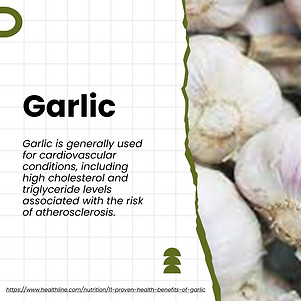


The information above was taken from https://www.hopkinsmedicine.org/health/wellness-and-prevention/herbal-medicine and updated with information from https://www.healthline.com/nutrition/herbal-medicine.
Graphical depictions were developed from this information by me.
References
https://www.hopkinsmedicine.org/health/wellness-and-prevention/herbal-medicine
https://www.healthline.com/nutrition/herbal-medicine
https://www.wildabundance.net/blog/10-benefits-of-herbal-medicine/
https://www.ncbi.nlm.nih.gov/books/NBK92773/
https://www.betterhealth.vic.gov.au/health/conditionsandtreatments/herbal-medicine